When someone searches for glamping in Iguazu, they are almost always looking for two things at the same time: to be close to the Falls and, at the same time, to have a lodging experience that is as worthwhile as the destination itself. These are two searches that do not always go together — most hotels in the area are urban, designed for sleeping between excursions. Pristine Iguazú was born from a different premise: that the stay itself be part of the jungle experience.
This guide explains what the concept of luxury glamping applied to Iguazu means today, how it differs Luxury Camp from a conventional glamping site or a chain hotel, and what to expect from a real stay within the Misiones jungle.
What is a Luxury Camp (and why it's not just “glamping”)
“Glamping” is the term most people use to look for this type of experience, and it is useful as a starting point: it describes fixed accommodation with a permanent structure, located in a natural setting, with a higher level of comfort than traditional camping. But it is a broad category, ranging from a tent with a double bed to a suite with climate control and room service.
Pristine defines itself behind closed doors as a Luxury Camparchitecture of design integrated into the landscape, 5-star hotel service (maid, signature gastronomy, personalized attention), and a location chosen specifically for its natural value, not for logistical practicality. The difference is not semantic — it is one of standard. A guest who arrives expecting a tent with a good bed and finds a camp with the curation of a luxury lodge quickly understands why a different name is used.
Where is Pristine in relation to the Falls?
One point worth clarifying right from the start, because it's where there is the most confusion in the search: Pristine Iguazú It is not inside the National Park nor next to the Falls. It is about an hour from the walkways, nestled in a Misiones jungle environment with its own distinct identity — it is not an annex to the park, but a destination in its own right within the trip.
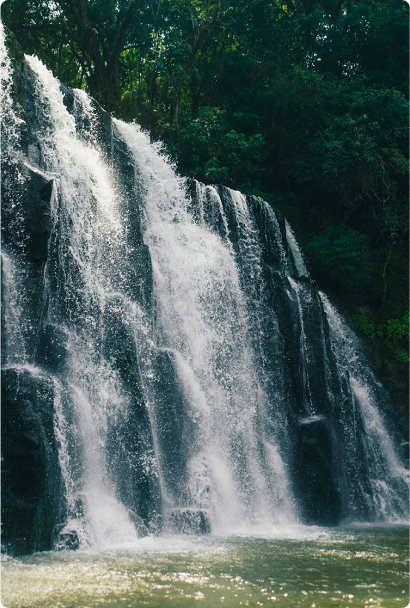
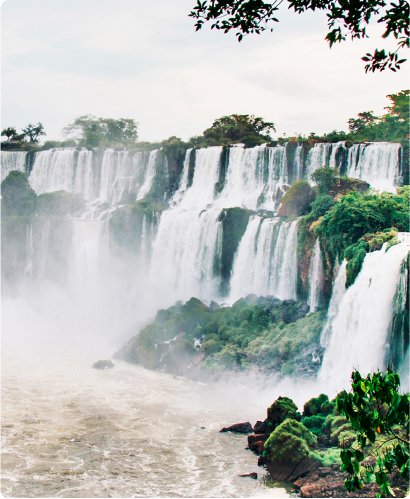
That distance is, in fact, part of the product. Being an hour away allows the camp to be located in a real jungle reserve, with the privacy, silence, and biodiversity that the area immediately surrounding the Falls — saturated with tourist traffic — can no longer offer. The logic of the trip changes: the Falls are visited as a full-day excursion; the jungle is experienced at night, at dawn, on the trails, by the pool just meters from the vegetation. Neither experience replaces the other, and managing expectations from the beginning avoids the only real friction a guest might have who arrives thinking of a hotel right in front of the catwalks.
Inside the jungle: The Iryapú Reserve
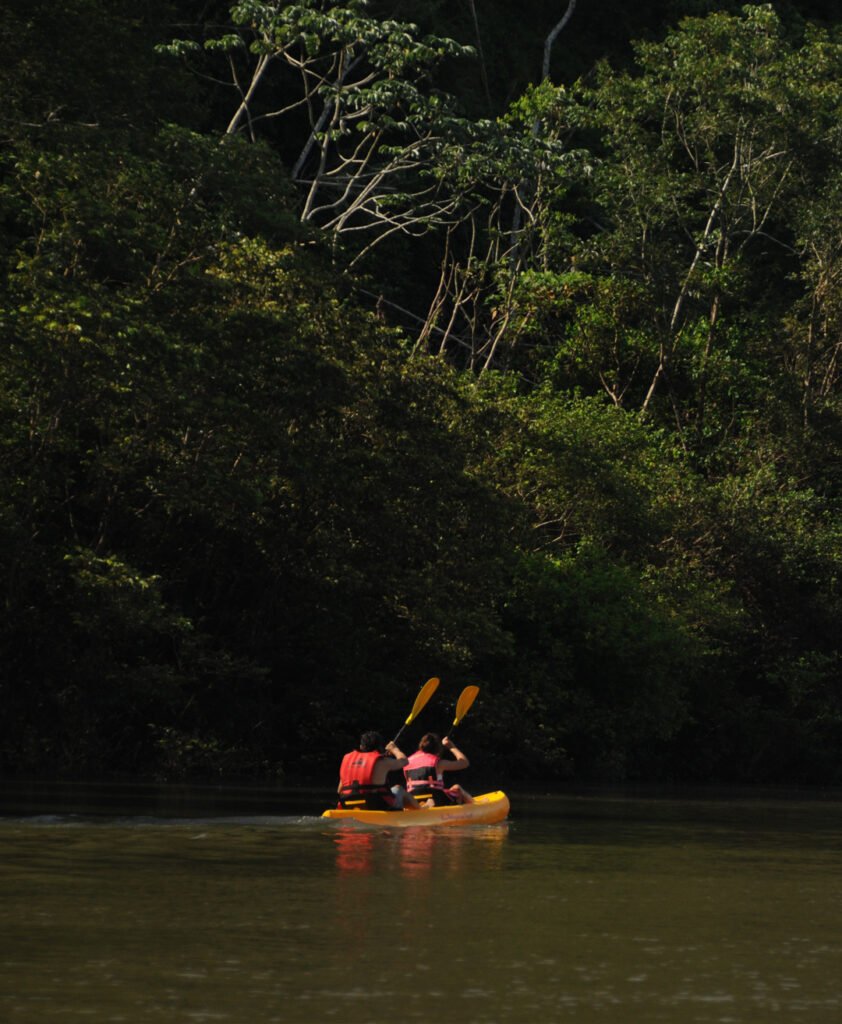
What Pristine's location does offer is something that no urban hotel in Puerto Iguazú can match: being physically inside a fragment of protected rainforest, within the Atlantic Forest corridor that surrounds the National Park. It is an ecosystem of several hundred hectares of native vegetation, with real wildlife — toucans, tufted capuchin monkeys, and butterflies with a color scale that surprises anyone who has never been in a subtropical jungle — moving just yards from the tents.
That closeness changes the rhythm of the stay. You don't have to “go out to see” nature: it is right there, in the constant background sound, in the humidity of the air, in the view from the bed. For a guest coming from a city, it is probably the most memorable element of the three or four days the trip lasts — more than the Waterfall itself, which is seen once and from afar shares the spotlight with thousands of visitors on the same day.
What a stay at Pristine Iguazú is like
The tents
Each tent is elevated on a wooden platform, with thermal insulation designed for the subtropical climate (high heat and humidity in summer, milder temperatures in winter), a king-size bed, a private bathroom with good water pressure and hot water, and a private deck facing the jungle. The design prioritizes natural light and cross-ventilation: the structure is lightweight and blends into the surroundings, but nothing about the comfort of the Luxury Camp is.
Gastronomy
The gastronomic proposal draws on products and influences from the Misiones region —yerba mate, cassava, river fish, tropical fruits— with a signature cuisine that does not seek to imitate Buenos Aires' haute cuisine, but rather to have its own identity. Lunches and dinners are usually served in common areas open to the jungle, and breakfast can be enjoyed on the private deck.
The activities
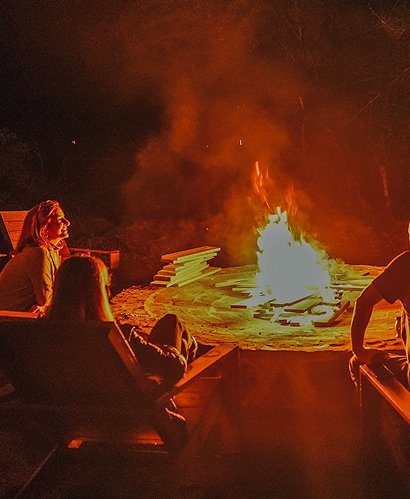
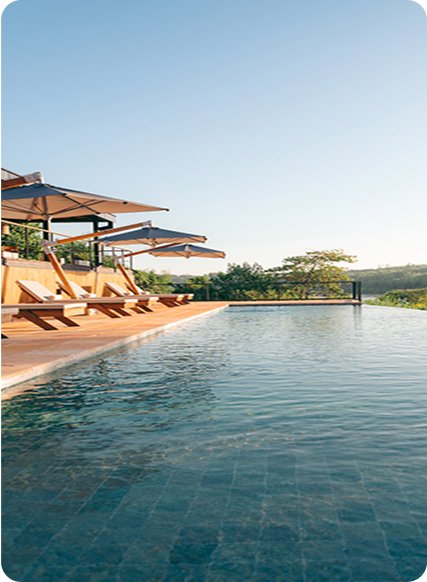
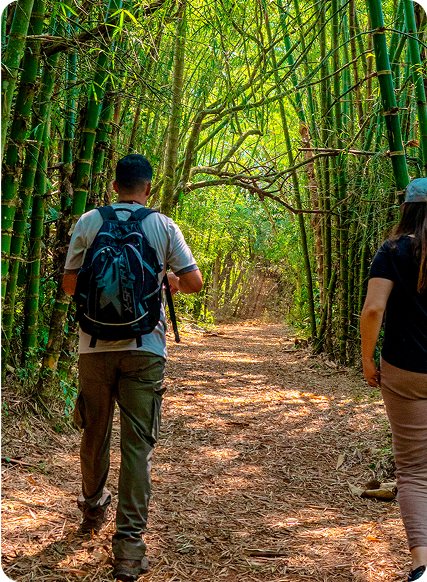
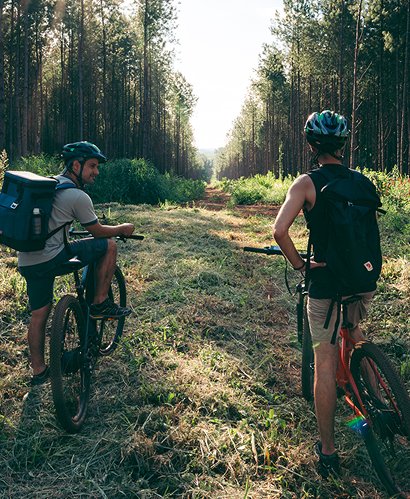
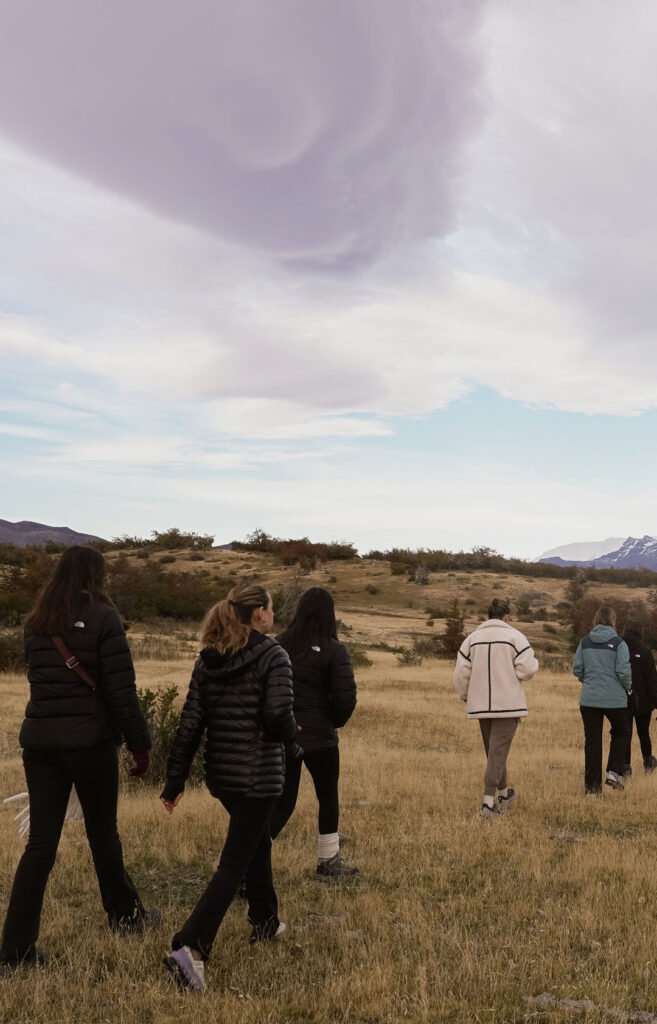
In addition to the excursion to the Falls (which is organized as a full-day trip, with logistics coordinated from the camp), Pristine offers its own activities within and around the reserve: guided hikes along jungle trails, dawn bird watching, and swimming pool and infinity pool experiences overlooking the forest canopy. These are the activities that turn a stay into something more than just a stopover.
Who is this experience for
Pristine Iguazú is designed for travelers who seek the Iguazu Falls as the reason for their trip, but who do not want to solve their accommodation with a generic urban hotel. It is a concept known in the international luxury segment as a “safari lodge,” translated to the South American subtropical jungle: nature as the protagonist, service as a non-negotiable standard.
If you are planning a trip to Iguazu and evaluating accommodation alternatives, it is worth understanding this difference from the beginning: choosing to be at the park's doorstep or being inside the jungle is no minor decision, and it defines a good part of how the trip will feel. To check availability, rates, and the complete details of the proposal, the Pristine's Iguazú page It has the updated information.